

When cemeteries begin planning new memorial spaces, the conversation often turns to the main differences between a columbarium and a mausoleum. At first glance, both may seem to serve the same purpose, since each provides a permanent place of remembrance. In practice, they function in very different ways and respond to different needs over the long term.
For cemeteries, this decision goes beyond construction planning. It becomes part of how a community creates sacred space where families can maintain a lasting connection with those who have died.
Columbaria and Mausoleums Serve Distinct Purposes
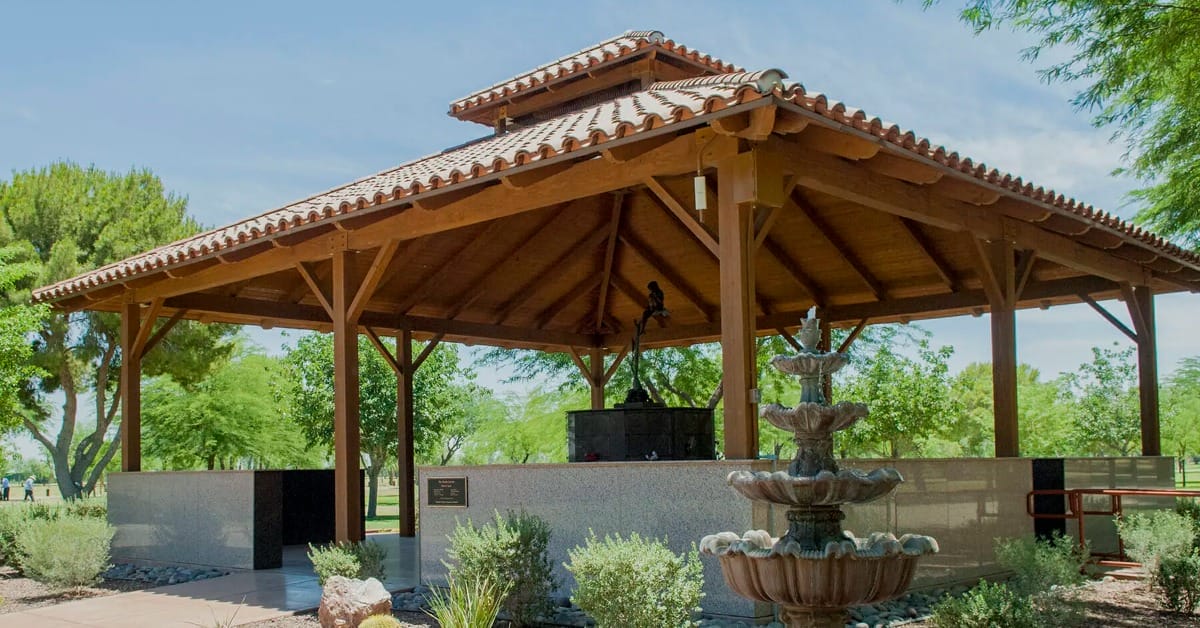
The most important difference between these structures begins with what they are meant to hold. A columbarium contains niches that are sized for urns. Each niche may hold one or more cremated remains depending on how it is designed. These structures can stand alone or become part of a landscaped memorial garden.
A mausoleum is built around crypts that accommodate caskets. These spaces are larger by necessity and are intended for full-body entombment. Some mausoleums include cremation niches, but their primary purpose remains focused on casket placement.
This difference in purpose naturally affects scale. Because urns require far less space than caskets, columbaria can offer a high number of interment spaces without requiring a large building footprint.
Interior Design Reflects the Type of Interment
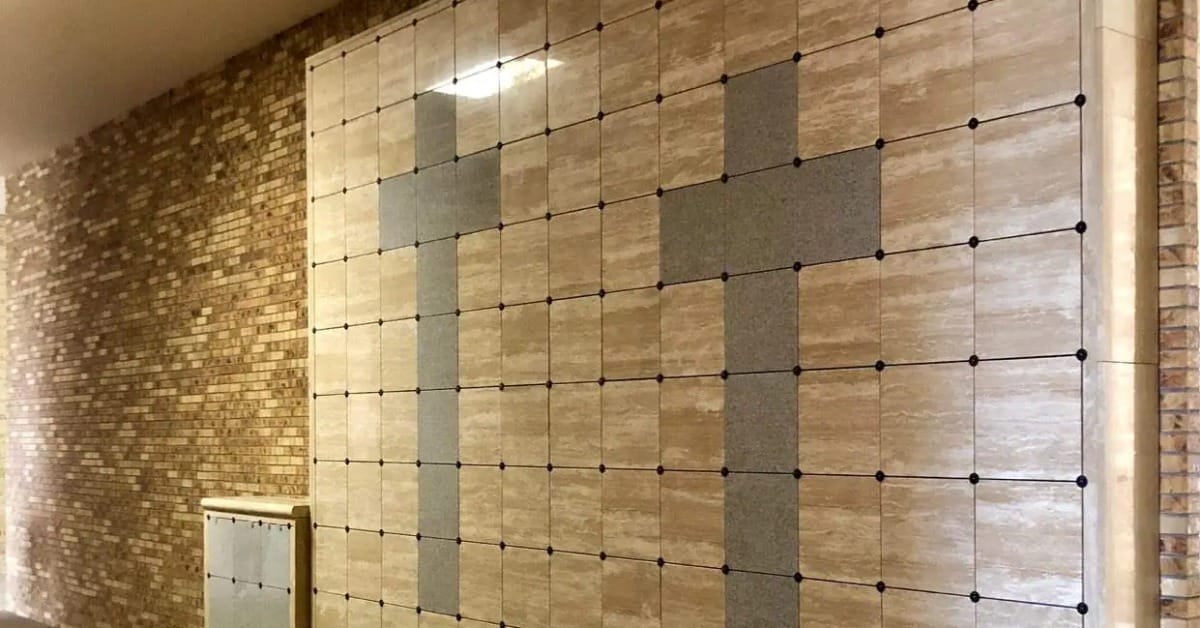
The interior structure of each option reveals even more about how they differ. Columbarium niches are compact and carefully proportioned for urn placement. A memorial panel typically closes the front of each niche, allowing for inscriptions, names, dates, or symbolic artwork. The design tends to emphasize uniformity and quiet visual rhythm.
Mausoleum crypts are larger and more structurally complex. They may be arranged in rows, stacked vertically, or placed within private family rooms depending on the design of the building. For that reason, these projects benefit from experienced memorial design guidance rather than a simplified construction approach.
Space Needs Shape the Entire Project
Space is often the deciding factor when comparing columbarium versus mausoleum options.
Many cemeteries are working with limited available land, and they may have even tighter constraints when adding memorial features to existing campuses. In those situations, efficiency becomes essential. A columbarium can adapt to smaller or irregular areas.
This flexibility creates several practical advantages:
- It allows more interment capacity within a smaller footprint.
- It supports placement in landscaped or architectural settings.
- It makes phased expansion more realistic over time.
- It reduces reliance on large undeveloped land areas.
- It can activate underused portions of a property.
A mausoleum typically requires more land because of its structural size and circulation needs. Foundations, access routes, and building systems all contribute to a larger overall footprint.
Construction and Engineering Requirements Differ
Although both structures are intended to last for generations, they are not built the same way.
A mausoleum is usually a fully enclosed building. It may include interior corridors and structural elements that support a large above-ground facility. That level of complexity, however, often makes it a major capital project.
A columbarium may appear simpler, but it still requires careful engineering. Outdoor installations must withstand weather and temperature changes over time. Foundation design plays a major role in long-term durability.
Good design for both should always balance appearance with function.
Visitor Experience Shapes Emotional Connection
Families experience these spaces in different ways, even though both serve as places of remembrance.
A mausoleum often creates an indoor or semi-enclosed environment. Visitors may walk through corridors or enter dedicated rooms that feel structured and formal. The setting can offer shelter and a sense of architectural permanence.
A columbarium may be indoors or outdoors, and outdoor designs often feel more open. Landscaping and memorial features can create a calm environment that encourages reflection without the formality of a building interior.
A columbarium can also become part of the spiritual life of the campus. Families may visit a space that feels connected to worship and community rather than separated from it.
Cemeteries often use columbaria to expand cremation options while maintaining a peaceful atmosphere across the grounds. When designed well, these spaces become destinations rather than simple storage areas for remains.
Religious Traditions Often Guide the Decision
Faith traditions frequently influence how memorial spaces are planned and used.
In Catholic practice, cremated remains are treated with reverence and are intended to rest in a sacred place rather than remain at home or be scattered. A church columbarium or Catholic cemetery provides a setting that aligns with that expectation.
Other Christian denominations may also view columbaria as an extension of pastoral care. These spaces allow congregations to maintain a physical connection to members who have died while offering families a place for ongoing remembrance.
Costs Extend Beyond the Initial Structure
Cost comparisons between columbaria and mausoleums are not always straightforward. While a columbarium is often less expensive overall, the full project scope matters more than the base structure price.
Columbarium projects may include design work, site preparation, and future expansion planning. Site conditions and material choices can also influence total investment.
Mausoleum projects tend to include many of the same categories, but on a larger scale. Structural systems and mechanical requirements can significantly increase complexity and cost.
Planning for Growth Prevents Future Limitations
Memorial needs rarely stay static over time. Cremation trends and community expectations continue to evolve, which makes long-term planning essential.
A columbarium can often be expanded in phases. A cemetery may begin with a single installation and add additional units as demand increases. This approach allows flexibility without overwhelming initial budgets.
Mausoleums can also be expanded, but doing so usually requires more extensive construction and planning. New wings or structures must be carefully integrated into the original design. A thoughtful master plan helps ensure that each phase feels intentional rather than disconnected.
Selecting the Right Memorial Structure
No single solution fits every cemetery. The right choice depends on land availability, budget, community needs, and long-term goals.
A columbarium is often a strong option when an organization wants to create a dedicated resting place for cremated remains without using large amounts of land. It also works well for phased development and integration into existing property.
A mausoleum may be more appropriate when the goal is above-ground casket entombment and when space and resources support a larger building project. Before making a final decision, it helps to evaluate the entire memorial environment first.
Creating a Lasting Place of Remembrance
Understanding the main differences between a columbarium and a mausoleum comes down to recognizing how each structure serves a different need. One focuses on urn niches for cremated remains, while the other provides crypts for casket entombment.
For many cemeteries, a columbarium offers a flexible and meaningful way to meet growing demand for cremation while preserving sacred space. When thoughtfully designed, it becomes more than a structure. It becomes a place where faith and community continue to meet.
KMI Columbaria designs and installs cemetery columbarium niches with each property’s future in mind. Our team helps create a dignified final resting place for cremated remains that feels appropriate for the surrounding cemetery and gives families a meaningful place to visit. Contact KMI Columbaria to begin planning a memorial space that can serve your community for generations.
'%3e%3cg id='Final-Copy-2_2_' transform='translate(1275.000000, 200.000000)'%3e%3cpath class='st0' d='M7.4,12.8h6.8l3.1-11.6H7.4C4.2,1.2,1.6,3.8,1.6,7S4.2,12.8,7.4,12.8z'/%3e%3c/g%3e%3c/g%3e%3c/g%3e%3cg id='final---dec.11-2020'%3e%3cg id='_x30_208-our-toggle' transform='translate(-1275.000000, -200.000000)'%3e%3cg id='Final-Copy-2' transform='translate(1275.000000, 200.000000)'%3e%3cpath class='st1' d='M22.6,0H7.4c-3.9,0-7,3.1-7,7s3.1,7,7,7h15.2c3.9,0,7-3.1,7-7S26.4,0,22.6,0z M1.6,7c0-3.2,2.6-5.8,5.8-5.8 h9.9l-3.1,11.6H7.4C4.2,12.8,1.6,10.2,1.6,7z'/%3e%3cpath id='x' class='st2' d='M24.6,4c0.2,0.2,0.2,0.6,0,0.8l0,0L22.5,7l2.2,2.2c0.2,0.2,0.2,0.6,0,0.8c-0.2,0.2-0.6,0.2-0.8,0 l0,0l-2.2-2.2L19.5,10c-0.2,0.2-0.6,0.2-0.8,0c-0.2-0.2-0.2-0.6,0-0.8l0,0L20.8,7l-2.2-2.2c-0.2-0.2-0.2-0.6,0-0.8 c0.2-0.2,0.6-0.2,0.8,0l0,0l2.2,2.2L23.8,4C24,3.8,24.4,3.8,24.6,4z'/%3e%3cpath id='y' class='st3' d='M12.7,4.1c0.2,0.2,0.3,0.6,0.1,0.8l0,0L8.6,9.8C8.5,9.9,8.4,10,8.3,10c-0.2,0.1-0.5,0.1-0.7-0.1l0,0 L5.4,7.7c-0.2-0.2-0.2-0.6,0-0.8c0.2-0.2,0.6-0.2,0.8,0l0,0L8,8.6l3.8-4.5C12,3.9,12.4,3.9,12.7,4.1z'/%3e%3c/g%3e%3c/g%3e%3c/g%3e%3c/g%3e%3c/svg%3e) Your Privacy Choices