

Cremation planning has become a practical concern for many churches and cemeteries. Families often want a permanent place for cremated remains, and property leaders need options that respect both space limits and visitor needs. A niche wall can meet those needs by providing a dignified final resting place and a clear space for reflection. Below, we’ve detailed some of the most common applications for niche walls in memorial design.
Catholic Parish Columbarium Spaces
A church memorial garden gives members a final resting place within the faith community that shaped their lives. For many families, the church already represents worship, comfort, and a sense of belonging. A niche wall extends that connection by creating a quiet place on church grounds where loved ones can return in prayer.
Church leaders should also consider how the memorial garden fits into the campus’s daily rhythm. Families may visit before a service, after Mass, or during a quiet weekday when fewer people are nearby. The space should feel easy to reach without making visitors feel exposed. When the layout balances access with privacy, the memorial garden can feel connected to church life while still giving families room for personal moments.
Memorial Gardens
Memorial gardens provide families with a peaceful final resting place for cremated remains in a setting designed for reflection. A niche wall can anchor the space while still allowing the garden to feel warm and personal. The surrounding design should support quiet visits with a calm aesthetic and ample space for private moments. When planned well, the garden can feel meaningful without becoming difficult to maintain.
The best memorial gardens feel connected to the property without placing visitors in the middle of daily activity. Families should be able to reach the space easily while still feeling comfortable during personal reflection. A thoughtful layout helps the niche wall feel like part of the landscape rather than a separate structure. This makes the garden more welcoming for families who return over time.
Pro Tip for Churches
Families may visit before a service, after Mass, or during a quiet weekday when fewer people are nearby. That rhythm should guide placement so the space feels accessible without compromising privacy.
Cemetery Cremation Sections
Cemeteries often use niche walls to create a dedicated place for cremated remains while keeping the grounds organized and respectful. This gives families a clear option when they choose cremation, but still want a permanent memorial location they can visit. It also helps cemeteries use available space thoughtfully without making the cremation section feel disconnected from the rest of the property.
A dedicated section can also make planning conversations easier. Staff can show families how the niches fit into the cemetery, which helps the option feel more concrete. That clarity can bring comfort during a decision that may feel emotional or unfamiliar.
Existing Cemetery Expansions
A niche wall can help a cemetery expand cremation options without changing the overall feel of the property. This approach works well when leaders need more capacity but do not have room for a large new section. The wall should feel easy to reach, yet the surrounding area still needs enough space for visitors to gather comfortably. When the placement respects the existing layout, the expansion feels like a natural part of the cemetery.
Older cemeteries often benefit from this kind of flexible planning. A niche wall can bring new purpose to an area that already has good access but has not been fully used. The final design should feel intentional from the path to the niche face. That sense of care helps families feel confident in the place they choose.
Courtyard Memorial Spaces
Courtyard memorial spaces are another common application for niche walls in memorial design. The surrounding layout creates a gentle sense of separation, which can help visitors feel removed from nearby activity.
Courtyard designs can also help smaller properties use space well. Not every church or cemetery has room for a large memorial garden, but many have spaces that can accommodate a quieter gathering place. The layout should make it easy for visitors to enter, pause, and move through the space without feeling crowded.
Standalone Columbarium Areas
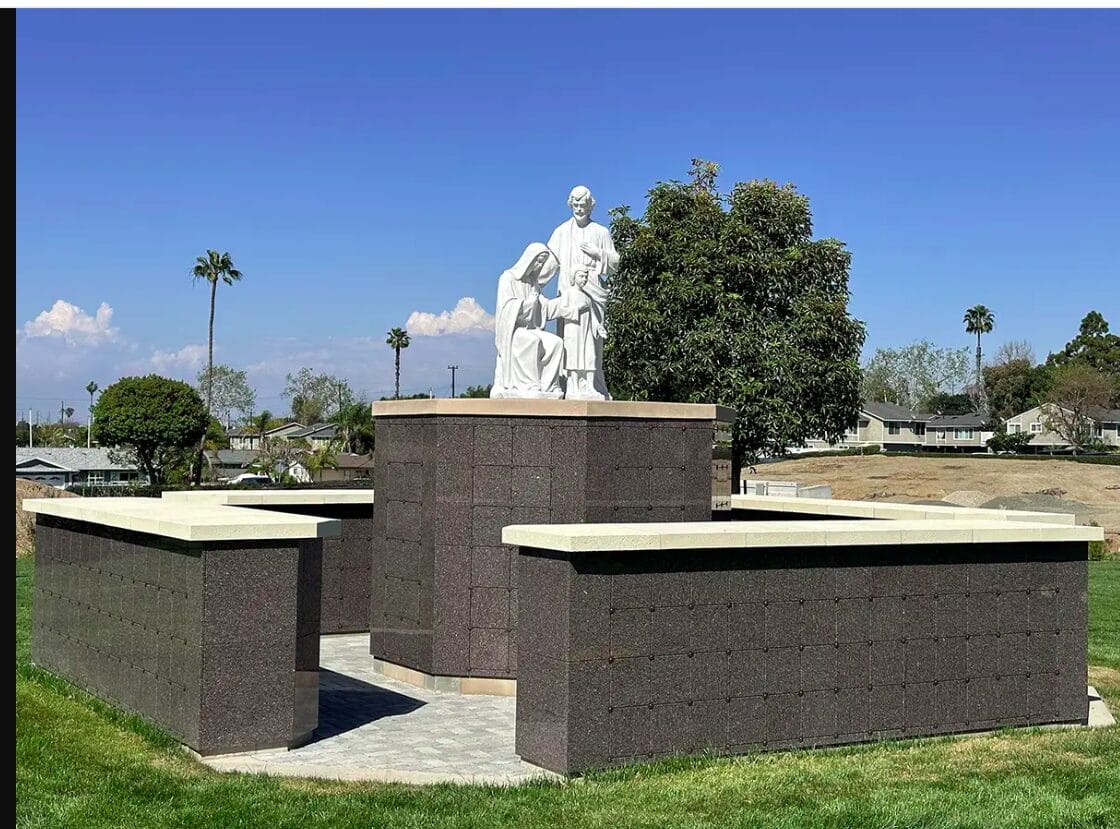
Some churches and cemeteries use a niche wall as the main feature of a standalone columbarium area. This works well when leaders want families to have a clear destination for cremation placement. Visitors should feel that they have entered a memorial setting, not just approached a structure.
Additionally, a stand alone cremation niche wall design guides people toward the wall with a calm sense of direction, and the path should feel easy to follow from the moment someone enters the area. Thoughtful landscaping can soften the setting while keeping the niches as the natural focus.
Memorial Walkways
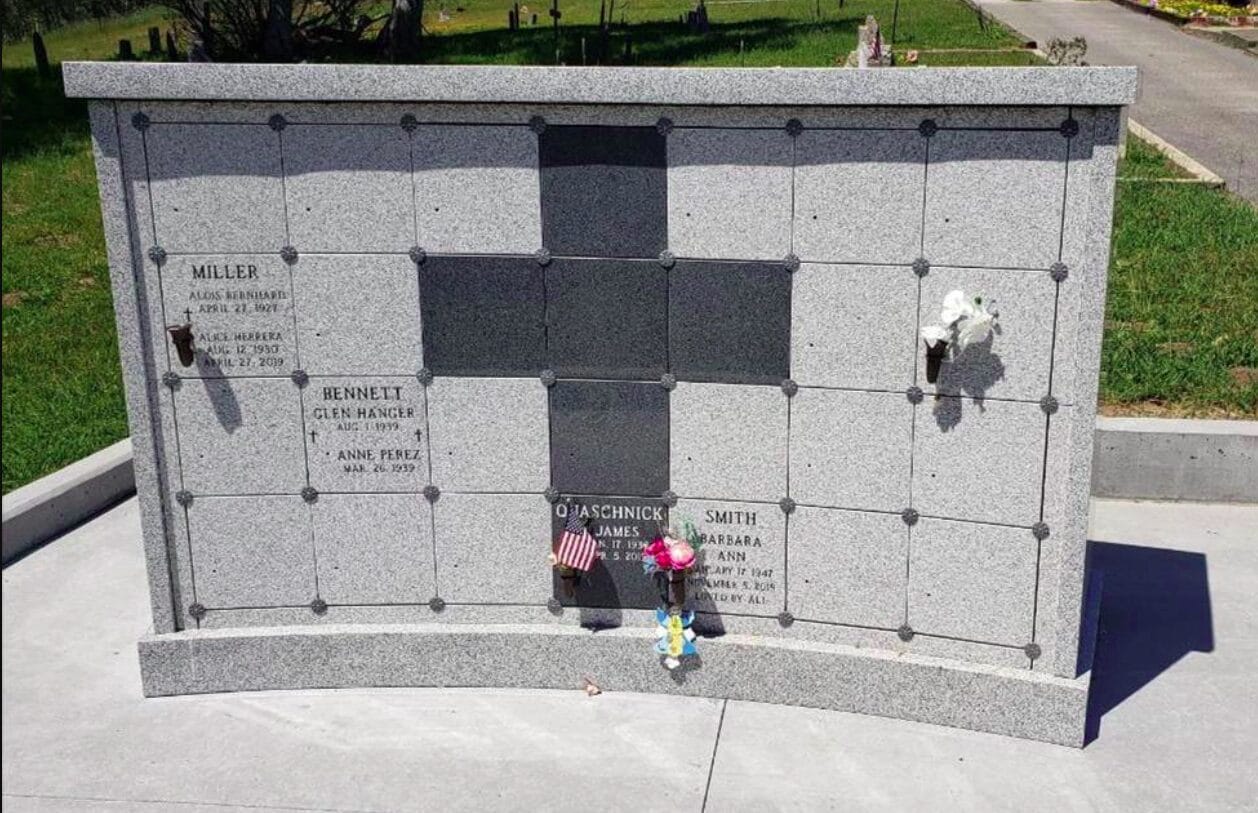
Memorial walkways can use niche walls to create a quiet path of remembrance. This layout gives visitors time to move through the space more slowly before reaching a loved one’s niche. That movement can make the visit feel more reflective by allowing people to settle into the moment. The path should also give visitors room to pause without feeling in the way.
Keep in mind that a confusing path can distract from remembrance and make the visit feel less peaceful. When the walkway feels easy to follow, the entire memorial experience becomes more comfortable.
Community or Family Memorial Sections
Niche walls can support memorial sections built around family connections or shared community. A church may create space for parish families who want to remain close to the community they love. A cemetery may use this approach when families want cremation placement near relatives across generations. This can make the memorial space feel personal while still fitting the larger design.
Moreover, the design should help families feel recognized without making the area feel visually separate. Leaders should also think through future reservations before the section begins to fill. Clear planning helps the memorial area serve families with less confusion later.
Plan a Niche Wall That Serves Families Well
A niche wall should do more than hold urns. It should give families a permanent place to visit someone they love. Churches and cemeteries can use niche walls in many ways, but each design should begin with the people who will return over time. When leaders focus on that experience, the final space can feel practical and deeply meaningful.
KMI Columbaria helps churches and cemeteries create columbarium spaces for cremated remains with thoughtful design and installation support. The right plan can help your property offer a respectful final resting place that fits your grounds and supports the families who visit.
'%3e%3cg id='Final-Copy-2_2_' transform='translate(1275.000000, 200.000000)'%3e%3cpath class='st0' d='M7.4,12.8h6.8l3.1-11.6H7.4C4.2,1.2,1.6,3.8,1.6,7S4.2,12.8,7.4,12.8z'/%3e%3c/g%3e%3c/g%3e%3c/g%3e%3cg id='final---dec.11-2020'%3e%3cg id='_x30_208-our-toggle' transform='translate(-1275.000000, -200.000000)'%3e%3cg id='Final-Copy-2' transform='translate(1275.000000, 200.000000)'%3e%3cpath class='st1' d='M22.6,0H7.4c-3.9,0-7,3.1-7,7s3.1,7,7,7h15.2c3.9,0,7-3.1,7-7S26.4,0,22.6,0z M1.6,7c0-3.2,2.6-5.8,5.8-5.8 h9.9l-3.1,11.6H7.4C4.2,12.8,1.6,10.2,1.6,7z'/%3e%3cpath id='x' class='st2' d='M24.6,4c0.2,0.2,0.2,0.6,0,0.8l0,0L22.5,7l2.2,2.2c0.2,0.2,0.2,0.6,0,0.8c-0.2,0.2-0.6,0.2-0.8,0 l0,0l-2.2-2.2L19.5,10c-0.2,0.2-0.6,0.2-0.8,0c-0.2-0.2-0.2-0.6,0-0.8l0,0L20.8,7l-2.2-2.2c-0.2-0.2-0.2-0.6,0-0.8 c0.2-0.2,0.6-0.2,0.8,0l0,0l2.2,2.2L23.8,4C24,3.8,24.4,3.8,24.6,4z'/%3e%3cpath id='y' class='st3' d='M12.7,4.1c0.2,0.2,0.3,0.6,0.1,0.8l0,0L8.6,9.8C8.5,9.9,8.4,10,8.3,10c-0.2,0.1-0.5,0.1-0.7-0.1l0,0 L5.4,7.7c-0.2-0.2-0.2-0.6,0-0.8c0.2-0.2,0.6-0.2,0.8,0l0,0L8,8.6l3.8-4.5C12,3.9,12.4,3.9,12.7,4.1z'/%3e%3c/g%3e%3c/g%3e%3c/g%3e%3c/g%3e%3c/svg%3e) Your Privacy Choices