
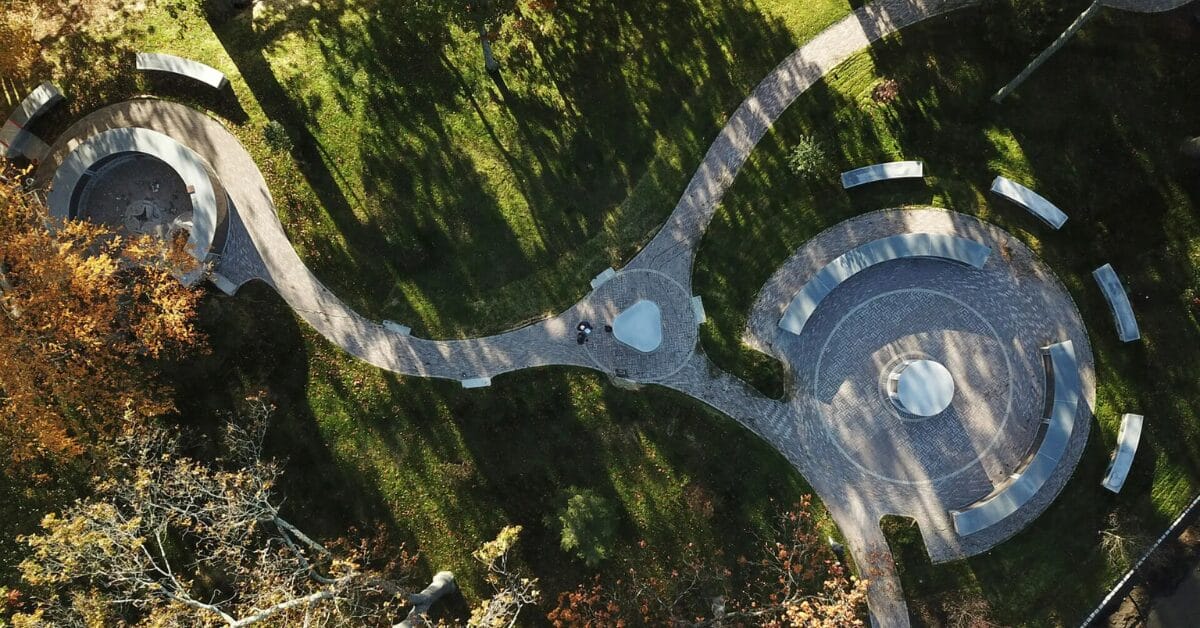
Cremation gardens offer a serene, beautifully landscaped space for the final resting place of cremated remains. As more people choose cremation, these gardens provide a thoughtful, permanent alternative to traditional cemeteries, blending remembrance with the tranquility of nature. This article covers everything you need to know about cremation gardens and why they are a cherished option for families.
What Is a Cremation Garden?
A cremation garden is a dedicated, landscaped area designed for the interment of cremated remains. Unlike a conventional cemetery, these gardens feature winding pathways, benches for reflection, and natural elements like flowers and water features.
Many cemeteries have cremation gardens, which offer a tranquil place to honor loved ones. Traditional cemeteries can feel vast and somber because of the obvious connection to death; by contrast, cremation gardens feel more intimate and comforting, providing a gentle space for remembrance and reflection. They offer sacred grounds for memorializing loved ones in a dignified setting.
Why Have One?
Families choose cremation gardens for many reasons, often centered on the peaceful environment and the flexible memorial options they provide. They offer a comforting middle ground between traditional burial and keeping an urn at home.
Memorial Options
Cremation gardens offer a wide variety of memorialization choices, each allowing families to honor their loved ones in a personal way. This flexibility is one of their most appealing features. Some of the most popular memorials include the options below.
Columbarium Niches
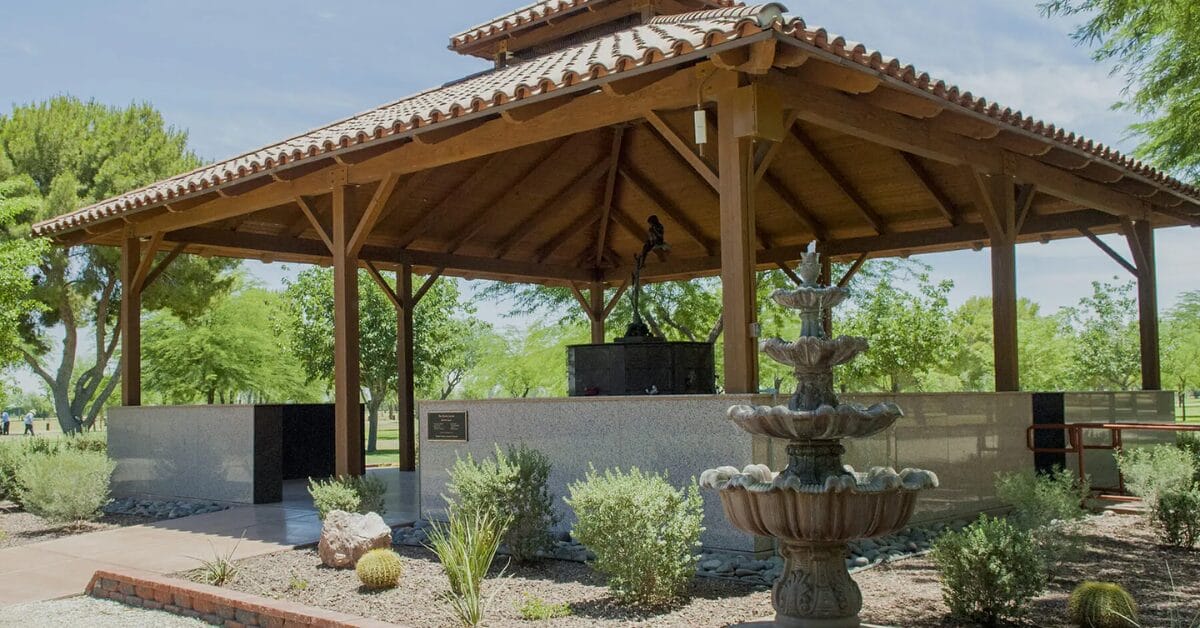
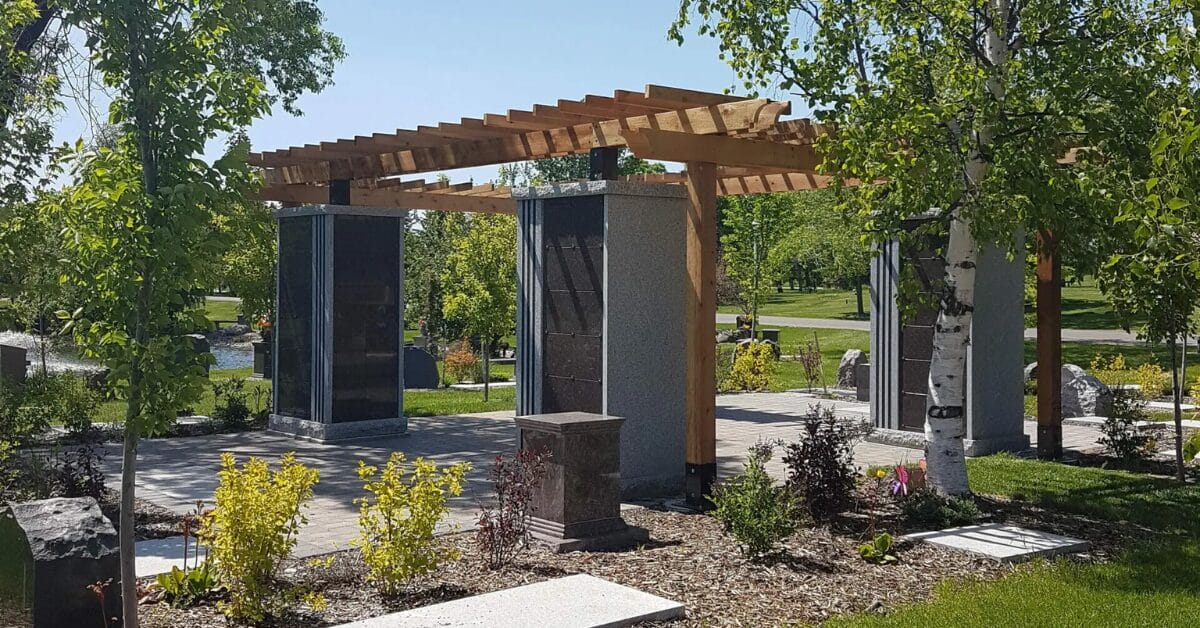
A columbarium is a structure with small compartments, called niches, designed to hold cremation urns. These are among the best options because they provide a protected, organized final resting place. Additionally, families can add engraved nameplates or personal inscriptions to the front of the niche, creating a lasting, private tribute.
In-Ground Cremation Plots
In-ground cremation plots are a perfect choice for Catholic churches and families who prefer a more traditional form of burial. When you have in-ground cremation areas, families will bury urns in small, dedicated plots and mark them with headstones or flat markers. These plots resemble traditional graves but have a much smaller footprint.
Memorial Plaques and Benches
You can install personalized memorial plaques on garden walls or benches. These plaques can feature names, dates, quotes, or decorative motifs, which offer a simple yet profound way to remember someone. A dedicated bench also provides a quiet place for visitors to sit and reflect.
Creative Memorials
Many gardens allow for more unique and creative memorials. You can use cored boulders, which incorporate cremate remains inside a hollowed-out rock that blends into the landscape. Others might offer the chance to dedicate a tree or shrub as a living memorial, which grows over time as a symbol of life.
Benefits of Cremation Gardens
Cremation gardens provide families with more than a final resting place—they offer a serene environment for remembrance, reflection, and connection. Some of the key advantages include the following consolations:
- A sense of place: A dedicated, lasting space for families to honor their loved ones.
- Tranquility: Natural landscaping and thoughtful design create a peaceful atmosphere.
- Flexibility in remembrance: Supports a range of memorial types, from traditional plaques to creative living tributes.
- Emotional support: Provides comfort and a gentle setting for grieving and reflection.
- Community connection: Offers a shared space for remembrance while still feeling intimate and personal.
These gardens provide a lasting sense of comfort and connection, creating a space where families can quietly reflect and honor memories. The combination of natural beauty, thoughtful design, and personal touches allows each visit to feel meaningful, offering solace and a gentle way to celebrate the life of a loved one.
Design and Personalization
The design of a cremation garden is crucial to its tranquil character. Professional landscaping often includes a thoughtful mix of trees, flowers, and water features to create a harmonious environment. Likewise, winding pathways and strategically placed seating encourage quiet reflection and make the space easy to navigate.
Personalization is a core element that makes these gardens so special. Families can often add favorite plants, small decorative objects, or even custom sculptures to a loved one’s memorial space.
Pro Tip
The best cremation garden designs blend personal touches seamlessly into the natural surroundings, which maintains the beauty and integrity of the garden.
Environmental and Practical Considerations
Cremation gardens provide several practical advantages while supporting environmental stewardship. Their smaller footprint makes them more space-efficient than traditional cemeteries, a benefit especially valued in urban and suburban areas where land is limited. This compact design also helps preserve green space for the broader community.
Additionally, some gardens prioritize eco-friendly practices, such as biodegradable urns and native plantings, which reduce environmental impact and promote sustainability. Professional maintenance ensures the gardens remain beautiful year-round, relieving families of upkeep responsibilities while preserving a serene, welcoming environment for reflection and remembrance.
Visiting and Etiquette
Cremation gardens are shared spaces that require thoughtful management to ensure all visitors can reflect in peace. Clear signage and communication about appropriate behavior, such as maintaining quiet, respecting memorials, and observing cemetery hours, help set expectations.
Small, private ceremonies or memorial gatherings are generally welcome, but scheduling guidelines can prevent conflicts with other visitors. Providing seating, pathways, and accessible areas encourages meaningful visits while preserving the garden’s tranquil atmosphere.
Why It Matters
Well-defined etiquette policies support a respectful environment and enhance the overall visitor experience.
Emotional and Social Benefits
Another thing you need to know about cremation gardens is that shared visits can strengthen family bonds as you gather to remember and share stories. The connection to nature within a cremation garden can be deeply healing for those grieving a loss. This tranquil setting provides a supportive backdrop for processing emotions and finding peace.
A dedicated memorial space helps facilitate long-term remembrance and provides a sense of emotional closure. These gardens also enhance the community by offering beautiful, serene green spaces that honor the departed while comforting the living. They transform a cemetery into a place of life and quiet celebration.
Design a Cremation Garden
Cremation gardens offer a meaningful, peaceful, and flexible way to honor a loved one’s memory. They provide a permanent and beautiful final resting place where families can find comfort and connection for generations.
KMI Columbaria can assist with designing a cremation garden for your cemetery or church. Contact our team to discuss your project so we can help you plan the right garden to commemorate loved ones with dignity and lasting beauty.
'%3e%3cg id='Final-Copy-2_2_' transform='translate(1275.000000, 200.000000)'%3e%3cpath class='st0' d='M7.4,12.8h6.8l3.1-11.6H7.4C4.2,1.2,1.6,3.8,1.6,7S4.2,12.8,7.4,12.8z'/%3e%3c/g%3e%3c/g%3e%3c/g%3e%3cg id='final---dec.11-2020'%3e%3cg id='_x30_208-our-toggle' transform='translate(-1275.000000, -200.000000)'%3e%3cg id='Final-Copy-2' transform='translate(1275.000000, 200.000000)'%3e%3cpath class='st1' d='M22.6,0H7.4c-3.9,0-7,3.1-7,7s3.1,7,7,7h15.2c3.9,0,7-3.1,7-7S26.4,0,22.6,0z M1.6,7c0-3.2,2.6-5.8,5.8-5.8 h9.9l-3.1,11.6H7.4C4.2,12.8,1.6,10.2,1.6,7z'/%3e%3cpath id='x' class='st2' d='M24.6,4c0.2,0.2,0.2,0.6,0,0.8l0,0L22.5,7l2.2,2.2c0.2,0.2,0.2,0.6,0,0.8c-0.2,0.2-0.6,0.2-0.8,0 l0,0l-2.2-2.2L19.5,10c-0.2,0.2-0.6,0.2-0.8,0c-0.2-0.2-0.2-0.6,0-0.8l0,0L20.8,7l-2.2-2.2c-0.2-0.2-0.2-0.6,0-0.8 c0.2-0.2,0.6-0.2,0.8,0l0,0l2.2,2.2L23.8,4C24,3.8,24.4,3.8,24.6,4z'/%3e%3cpath id='y' class='st3' d='M12.7,4.1c0.2,0.2,0.3,0.6,0.1,0.8l0,0L8.6,9.8C8.5,9.9,8.4,10,8.3,10c-0.2,0.1-0.5,0.1-0.7-0.1l0,0 L5.4,7.7c-0.2-0.2-0.2-0.6,0-0.8c0.2-0.2,0.6-0.2,0.8,0l0,0L8,8.6l3.8-4.5C12,3.9,12.4,3.9,12.7,4.1z'/%3e%3c/g%3e%3c/g%3e%3c/g%3e%3c/g%3e%3c/svg%3e) Your Privacy Choices
Your Privacy Choices