

A cremation garden gives churches and cemeteries a thoughtful way to create a peaceful final resting place for cremated remains. Before any design takes shape, property leaders need to understand how the space should serve families during quiet visits and larger moments of remembrance.
The right preparation helps the garden feel welcoming from the beginning while also supporting long-term care for the grounds. With a careful plan, your property can support both daily use and future needs without losing its sense of reverence. Here’s how you can prepare your property for a cremation garden.
Start With the Purpose of the Space
A cremation garden should reflect the needs of the families who will visit it. Some visitors may come alone to pray, while others may gather with loved ones on meaningful family dates. The property should support those moments without feeling crowded or difficult to navigate. When leaders begin with the space’s purpose, each design choice feels more intentional.
For churches, the garden may carry spiritual meaning beyond its practical role. A Catholic church may need a sacred setting where cremated remains can rest on blessed grounds. This purpose should guide the space’s tone, from its sense of quiet to the way visitors move through it.
Review the Property Before Choosing a Location
Knowing how to prepare your property for a cremation garden also involves evaluating your space. Property leaders should begin by walking the site and noting where the grounds already feel calm. A location near heavy traffic or daily maintenance activity may make it harder for families to find the quiet experience they need. On the other hand, a more protected area can give the garden a sense of peace while keeping it connected to the rest of the property.
Once leaders identify a possible location, they should consider how the space will function now and in the future. The first phase should feel complete on its own, but the site should still leave room for the garden to grow as the property’s needs change. When the location feels both intentional and practical, the cremation garden becomes part of the property rather than a leftover space with room to spare.
Think Through Visitor Access
Families should be able to reach the cremation garden in a way that feels simple and calm. When visitors arrive during a difficult moment, a clear route can help them feel more at ease before they even enter the space. The path from the parking area should guide them naturally toward the garden without creating confusion or making the visit feel inconvenient.
Additionally, walkways should support older visitors and anyone who needs extra stability while moving through the grounds. A gentle route gives families space to move at their own pace, which helps keep the focus on remembrance rather than on the effort it takes to reach the garden.

Plan the Layout Around Reflection
The layout should guide visitors through the cremation garden in a natural way. Families need room to approach a niche without feeling rushed by people passing behind them. The design should create a sense of pause near the columbarium. That pause helps the space feel more personal and less like a walkway.
A thoughtful layout also helps the garden feel peaceful, even when more than one family visits. Leaders should consider how people will enter the space and where they may stop to pray. Seating can support longer visits when the property has enough room. Each choice should help families feel that the space invites care and remembrance.
Decide What the Garden Needs Before Design Begins
Before finalizing the design, leaders should define what the property truly needs from the cremation garden. A clear list can keep the project focused and prevent the plan from growing in too many directions. Use this planning stage to answer the most important questions:
- How many niches does the property need in the first phase?
- Should the garden allow room for future expansion?
- How much privacy should families have when they visit?
- How much maintenance can the grounds team manage?
- Does the space need seating for longer visits?
Answering these questions gives the design team a stronger foundation. They also help church and cemetery leaders make decisions with more confidence. When the basic needs feel clear, the finished garden can feel both practical and deeply respectful.
Consider Landscaping With Long-Term Care in Mind
Landscaping should make the cremation garden feel peaceful without creating more upkeep than the property can manage. The right plants can soften the space and help it feel gently separated from nearby areas, but they should still fit the grounds team’s long-term care capacity. When leaders choose landscaping with maintenance in mind, the garden can continue to feel welcoming long after installation.
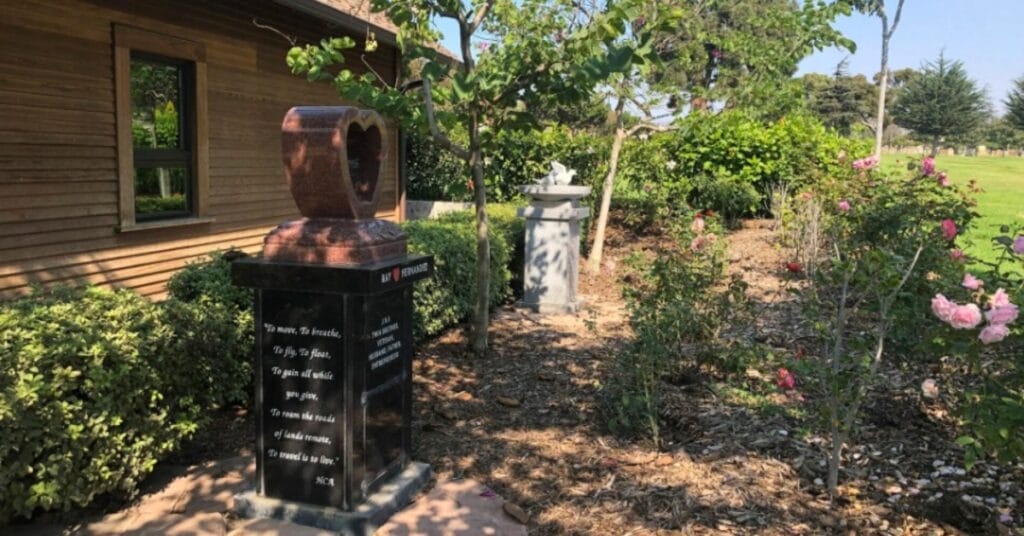
The landscape should also support the garden’s purpose rather than compete with it. Greenery can create a calm setting around the columbarium while keeping the final resting place as the natural focus. As families return throughout the year, those familiar details can help the space feel cared for and comforting. This balance allows the garden to feel beautiful without placing too much strain on staff or volunteers.
Create a Plan for Future Growth
A cremation garden should serve the property’s current needs while still allowing the space to grow over time. Many churches and cemeteries begin with one phase, then expand later as more families choose cremation. Planning for that possibility early helps leaders protect future options without making the first garden feel temporary.
The first phase should still feel complete, peaceful, and meaningful on its own. At the same time, the layout should leave a clear path for future additions so any expansion feels natural. This balance helps the property serve families for years while preserving the beauty and purpose of the original space.
Coordinate Early With the Right Professionals
A cremation garden involves practical details that shape both the installation process and the visitor experience, so leaders should bring in expert guidance early. A design-build partner can review the property, explain what the site requires, and help shape a plan before the final design takes form. That early coordination can prevent costly changes later and give leaders greater confidence in the project’s direction.
Churches and cemeteries should also choose a team that specifically understands columbaria and cremation niches. The right partner can help the garden fit the property’s purpose while supporting the families who will visit it. When the planning process starts with that level of understanding, the finished space can feel thoughtful, practical, and deeply connected to the grounds.
For example, if you want to add a family columbarium, a professional can help determine where it fits best, how visitors will approach it, and how it can feel connected to the surrounding grounds. This guidance helps the finished space feel intentional rather than simply added onto the property.
Contact Us
KMI Columbaria helps churches and cemeteries plan columbarium spaces that fit their property and support the families who will visit them. The right guidance can make each stage of planning and installation feel more manageable. With a thoughtful plan in place, your property can offer families a peaceful space to return to, remember, and feel connected for years to come.
'%3e%3cg id='Final-Copy-2_2_' transform='translate(1275.000000, 200.000000)'%3e%3cpath class='st0' d='M7.4,12.8h6.8l3.1-11.6H7.4C4.2,1.2,1.6,3.8,1.6,7S4.2,12.8,7.4,12.8z'/%3e%3c/g%3e%3c/g%3e%3c/g%3e%3cg id='final---dec.11-2020'%3e%3cg id='_x30_208-our-toggle' transform='translate(-1275.000000, -200.000000)'%3e%3cg id='Final-Copy-2' transform='translate(1275.000000, 200.000000)'%3e%3cpath class='st1' d='M22.6,0H7.4c-3.9,0-7,3.1-7,7s3.1,7,7,7h15.2c3.9,0,7-3.1,7-7S26.4,0,22.6,0z M1.6,7c0-3.2,2.6-5.8,5.8-5.8 h9.9l-3.1,11.6H7.4C4.2,12.8,1.6,10.2,1.6,7z'/%3e%3cpath id='x' class='st2' d='M24.6,4c0.2,0.2,0.2,0.6,0,0.8l0,0L22.5,7l2.2,2.2c0.2,0.2,0.2,0.6,0,0.8c-0.2,0.2-0.6,0.2-0.8,0 l0,0l-2.2-2.2L19.5,10c-0.2,0.2-0.6,0.2-0.8,0c-0.2-0.2-0.2-0.6,0-0.8l0,0L20.8,7l-2.2-2.2c-0.2-0.2-0.2-0.6,0-0.8 c0.2-0.2,0.6-0.2,0.8,0l0,0l2.2,2.2L23.8,4C24,3.8,24.4,3.8,24.6,4z'/%3e%3cpath id='y' class='st3' d='M12.7,4.1c0.2,0.2,0.3,0.6,0.1,0.8l0,0L8.6,9.8C8.5,9.9,8.4,10,8.3,10c-0.2,0.1-0.5,0.1-0.7-0.1l0,0 L5.4,7.7c-0.2-0.2-0.2-0.6,0-0.8c0.2-0.2,0.6-0.2,0.8,0l0,0L8,8.6l3.8-4.5C12,3.9,12.4,3.9,12.7,4.1z'/%3e%3c/g%3e%3c/g%3e%3c/g%3e%3c/g%3e%3c/svg%3e) Your Privacy Choices