
Cemeteries and churches continue to adapt as cremation becomes more common across the United States. Leaders must carefully consider how they will provide a permanent, dignified resting place for cremated remains while also planning for long-term cemetery space. Two structures often enter that conversation: mausoleums and columbaria.
Both options create above-ground memorial spaces where families can visit and remember loved ones. However, they serve different purposes and require different planning considerations. Understanding these distinctions helps cemetery and church leaders plan and provide meaningful memorial spaces for their communities. Here are the differences between mausoleums and columbaria.
What Is a Mausoleum?
A mausoleum is an above-ground structure designed to hold caskets. Instead of placing a casket in the ground, the remains rest inside a sealed compartment within the building. Families still receive a permanent memorial location, but the burial takes place above ground rather than below it.
Many cemeteries include mausoleums to serve families who prefer traditional burial but want an above-ground option. These structures often provide a quiet and protected space where visitors can gather and reflect.
They Are Culturally Significant
In some communities, mausoleums reflect long-standing burial traditions and architectural styles that families recognize and value. Sometimes, choosing a mausoleum connects families to their loved one’s memorial with customs that have existed for generations.
How Mausoleums Get Designed
Most mausoleums contain rows of crypts that hold caskets. Each crypt sits behind a memorial panel that identifies the person interred there. The design often includes hallways or interior corridors so visitors can walk through the structure comfortably.
Some mausoleums stand as indoor buildings, while others feature open-air corridors with covered roofs. Designers often include marble, stone, and architectural elements that create a peaceful atmosphere. These design choices help maintain dignity and permanence for those memorialized inside.
When Cemeteries Build Mausoleums
Cemeteries often add mausoleums as part of long-term memorial planning. These structures allow a cemetery to create organized sections that serve families who want above-ground entombment. A well-designed mausoleum can also become a central architectural feature within the cemetery landscape.
Some cemeteries build large community mausoleums that contain many crypts within a single structure. Others develop smaller mausoleum sections gradually as demand grows. This approach helps cemetery leaders manage space carefully while continuing to offer a range of memorial options.
Space and Planning Considerations
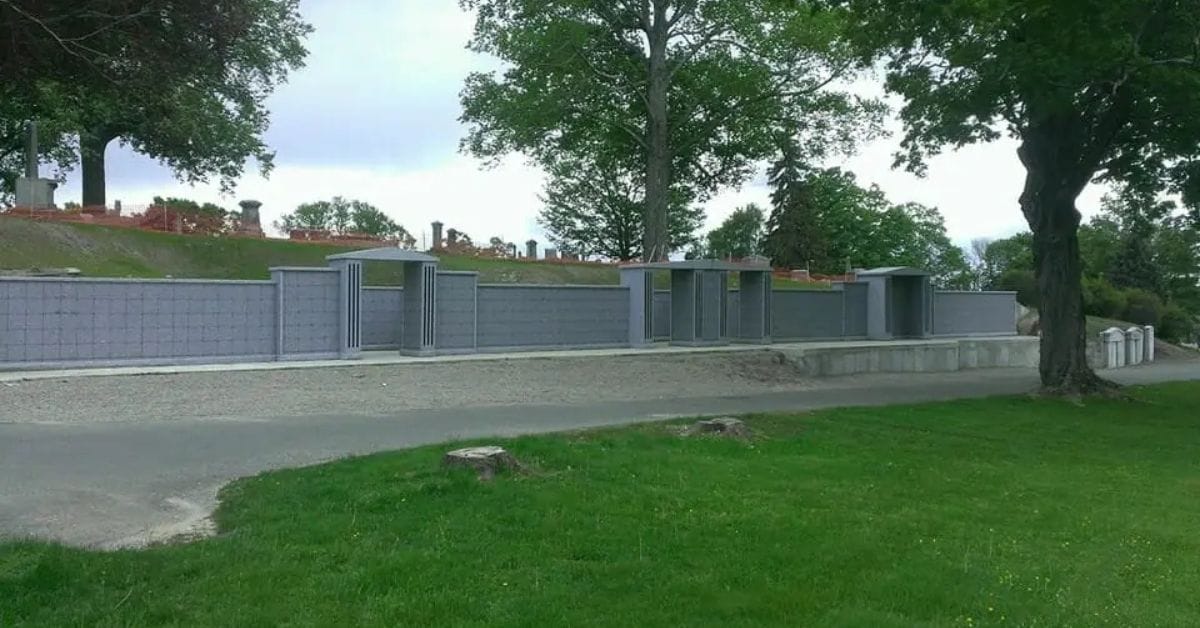
Mausoleums require careful site planning because they function as permanent structures within the cemetery layout. Leaders must consider access paths, visitor circulation, and how the structure fits into the surrounding landscape. Placement also affects visibility, traffic flow, and how families experience the memorial space when they visit.
Construction costs and long-term maintenance also play a role in the decision. Stone materials, structural engineering, and interior ventilation all require thoughtful design and upkeep. Because these buildings occupy a fixed footprint, cemetery planners must evaluate how much land to dedicate to mausoleum space relative to other memorial options.
What Is a Columbarium?
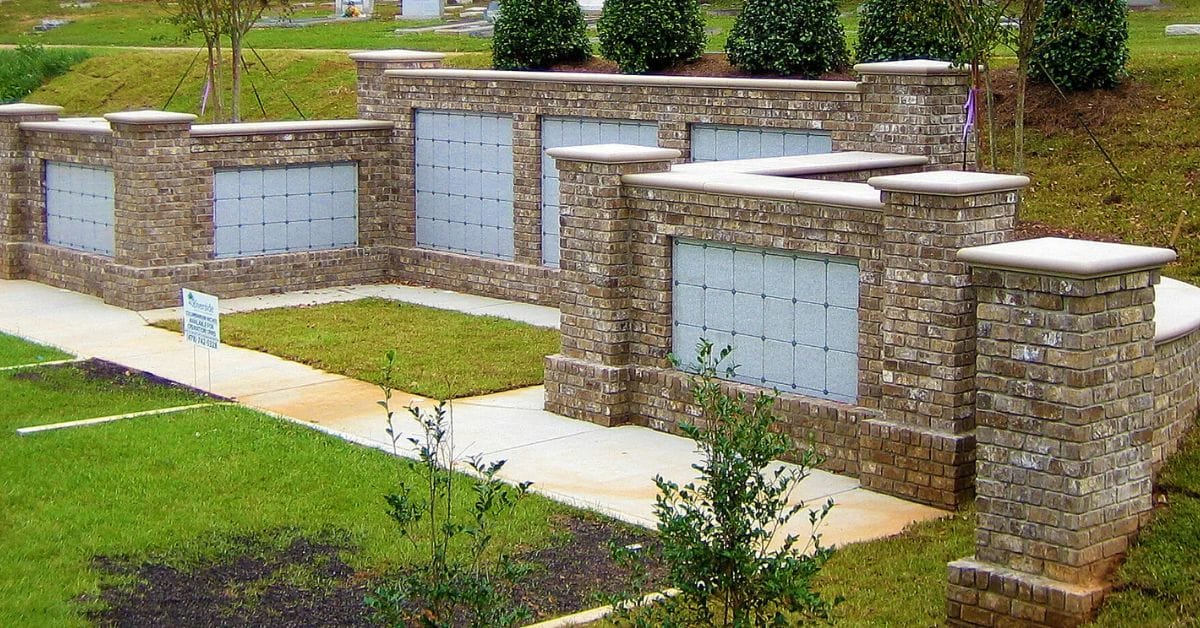
A columbarium serves a different purpose than a mausoleum; instead of holding caskets, it holds urns containing cremated remains. Each urn rests in a small compartment, or niche, that forms part of a larger memorial structure.
The design of a columbarium allows cemeteries and churches to create a permanent resting place specifically for cremated remains. Families receive a meaningful place to visit while the remains stay protected and respectfully preserved. Columbaria provides both permanence and accessibility for remembrance.
How Columbarium Niches Work
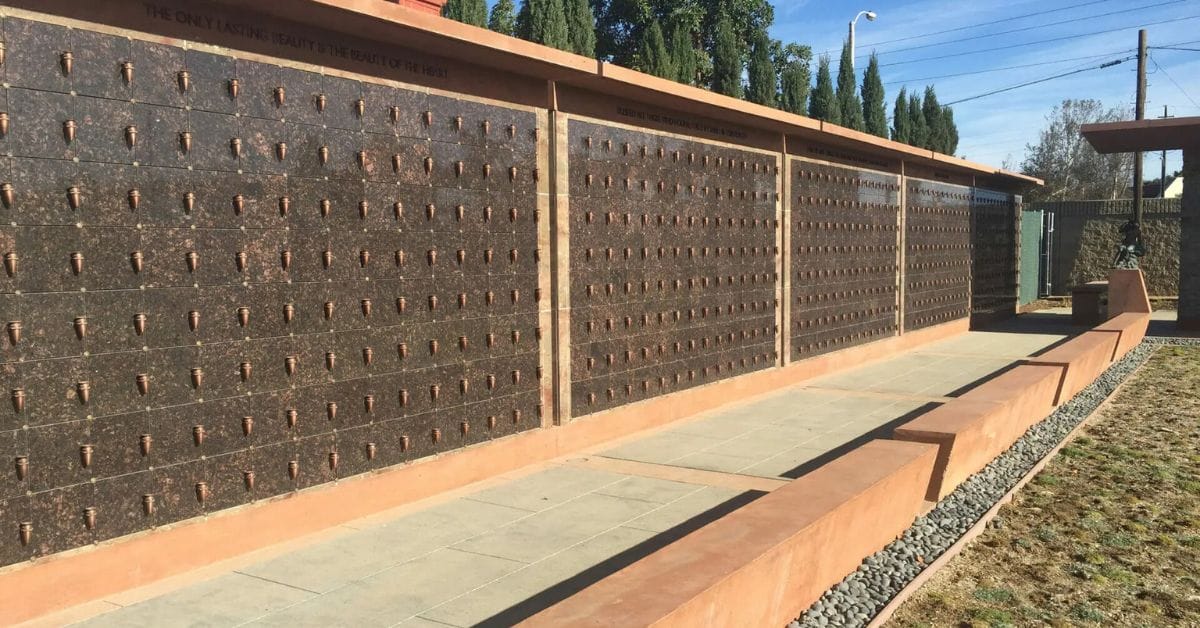
A columbarium contains rows of niches that hold individual urns. Each niche closes with a memorial panel displaying the name and dates of the person remembered. The layout allows visitors to easily locate and honor their loved ones.
Columbaria may appear indoors or outdoors, depending on the setting. Churches sometimes install them within chapels or memorial rooms. Likewise, cemeteries often place them in gardens or quiet landscaped areas that encourage reflection.
Why Columbaria Save Space
Columbaria allow cemeteries and churches to serve many families within a relatively small area. Each niche holds cremated remains inside an urn, which requires far less space than a traditional burial plot and casket. Because of this difference, planners can create significantly more memorial placements within the same section of land.
A single columbarium structure can contain dozens or even hundreds of niches arranged in an organized memorial wall. This layout allows cemeteries to add meaningful resting places without expanding their footprint or developing new land. For churches and cemeteries with limited space, that flexibility often makes columbaria an important part of long-term planning.
Planning for Your Community
Cremation continues to shape how cemeteries and churches plan for the future. Many families now choose cremation but still want a permanent place where they can visit and remember their loved ones. Because of this shift, leaders must carefully consider how to provide meaningful memorial spaces without quickly exhausting available land.
Columbaria help organizations meet that need thoughtfully and practically. They create a dignified place for cremated remains while allowing many memorial placements within a compact area. This balance allows cemeteries and churches to serve their communities today while protecting space for future generations.
Which Is Best for Your Cemetery or Church?
Knowing the differences between mausoleums and columbaria helps you determine what would be best for your cemetery or church. Each structure serves a different purpose and supports different types of memorialization. The right choice often becomes clearer when leaders consider the following factors:
- Available cemetery space
- Community burial preferences
- Growth in cremation rates
- Long-term memorial planning goals
- Budget and construction considerations
Many cemeteries continue to offer mausoleums for families who prefer traditional burial. At the same time, cremation continues to rise across the country, which increases the demand for memorial spaces designed specifically for cremated remains. This shift leads many organizations to add columbaria to their long-term planning.
Columbaria allow cemeteries and churches to create dignified memorial areas while preserving valuable land. Their design supports many memorial placements within a smaller footprint, helping cemeteries continue to serve their communities for decades. Columbaria often provide a practical and respectful solution for organizations that must balance tradition, space, and future demand.
Combine Both
Many mausoleums incorporate niches into the initial design. However, most, if not all, also have unused wall space within the structure that you can use. Niches can be added directly to these blank interior walls, creating additional space for cremated remains in previously underused areas. This approach maximizes available space and improves the overall functionality of the mausoleum without requiring major structural changes.
Contact Us
Churches and cemeteries often begin memorial planning by evaluating how cremation will affect their available space in the years ahead. KMI Columbaria helps organizations design and install custom columbaria, including beautifully designed cremation wall systems that provide a permanent and dignified resting place for cremated remains. Thoughtful planning today can create lasting places of remembrance for generations to come.
'%3e%3cg id='Final-Copy-2_2_' transform='translate(1275.000000, 200.000000)'%3e%3cpath class='st0' d='M7.4,12.8h6.8l3.1-11.6H7.4C4.2,1.2,1.6,3.8,1.6,7S4.2,12.8,7.4,12.8z'/%3e%3c/g%3e%3c/g%3e%3c/g%3e%3cg id='final---dec.11-2020'%3e%3cg id='_x30_208-our-toggle' transform='translate(-1275.000000, -200.000000)'%3e%3cg id='Final-Copy-2' transform='translate(1275.000000, 200.000000)'%3e%3cpath class='st1' d='M22.6,0H7.4c-3.9,0-7,3.1-7,7s3.1,7,7,7h15.2c3.9,0,7-3.1,7-7S26.4,0,22.6,0z M1.6,7c0-3.2,2.6-5.8,5.8-5.8 h9.9l-3.1,11.6H7.4C4.2,12.8,1.6,10.2,1.6,7z'/%3e%3cpath id='x' class='st2' d='M24.6,4c0.2,0.2,0.2,0.6,0,0.8l0,0L22.5,7l2.2,2.2c0.2,0.2,0.2,0.6,0,0.8c-0.2,0.2-0.6,0.2-0.8,0 l0,0l-2.2-2.2L19.5,10c-0.2,0.2-0.6,0.2-0.8,0c-0.2-0.2-0.2-0.6,0-0.8l0,0L20.8,7l-2.2-2.2c-0.2-0.2-0.2-0.6,0-0.8 c0.2-0.2,0.6-0.2,0.8,0l0,0l2.2,2.2L23.8,4C24,3.8,24.4,3.8,24.6,4z'/%3e%3cpath id='y' class='st3' d='M12.7,4.1c0.2,0.2,0.3,0.6,0.1,0.8l0,0L8.6,9.8C8.5,9.9,8.4,10,8.3,10c-0.2,0.1-0.5,0.1-0.7-0.1l0,0 L5.4,7.7c-0.2-0.2-0.2-0.6,0-0.8c0.2-0.2,0.6-0.2,0.8,0l0,0L8,8.6l3.8-4.5C12,3.9,12.4,3.9,12.7,4.1z'/%3e%3c/g%3e%3c/g%3e%3c/g%3e%3c/g%3e%3c/svg%3e) Your Privacy Choices
Your Privacy Choices