

Cemetery leaders face a changing market as more families consider cremation and expect clear guidance during the planning process. At the same time, each cemetery must protect the character of its grounds and manage its available space with care. These pressures can be difficult, but they also give leaders a chance to strengthen the way they serve their communities.
A competitive cemetery gives families confidence through thoughtful planning and creates a place they can return to for years. The following strategies offer practical ways to stay competitive in today’s cemetery market.
Expand Permanent Options for Cremated Remains
Families who choose cremation often still want a permanent place where they can visit and remember someone they love. A columbarium provides cremated remains with a respectful final resting place within the cemetery and offers families a clear location for reflection. By offering permanent options, the cemetery continues to serve as a place of lasting remembrance.
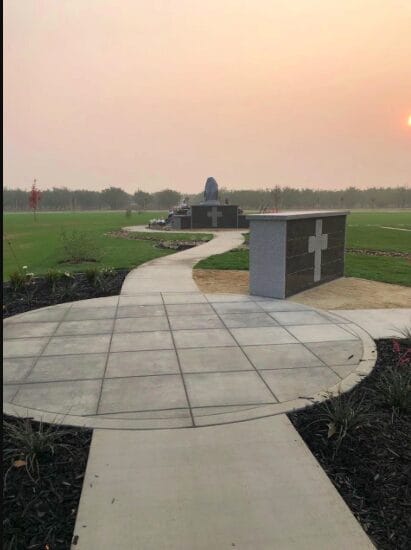
The columbarium should feel like a natural part of the grounds rather than a separate structure placed without context. Cemetery leaders should consider how visitors will reach the area and how the design will complement nearby memorials. When the structure fits the surrounding space, the entire area feels more intentional and welcoming.
Use Available Land More Carefully
One of the most practical ways to stay competitive in today’s cemetery market is to make better use of the land the cemetery already has. A columbarium can create new inventory within a smaller footprint than many ground burial areas require. Cemetery leaders can provide several permanent spaces for cremated remains within the same footprint that ground burial would use for far fewer placements.
Leaders should evaluate the grounds carefully before choosing a location for a new columbarium. An underused area may offer room for development, but it still needs to feel peaceful and easy for families to reach. The best location gives visitors enough space to pause while also fitting naturally into the cemetery’s existing layout.

Plan for Growth Before Adding Inventory
Cemetery leaders should plan a new memorial inventory with current demand and future growth in mind. The first phase can meet immediate needs while preserving enough room for later expansion. This measured approach helps the cemetery avoid overbuilding before staff understand how families respond to the new option.
Long-term planning also keeps each stage connected to the original design. When leaders establish the full layout early, future additions can follow the same direction and blend naturally into the surrounding grounds. Over time, the space will continue to feel intentional rather than pieced together.
Offer Personalization Within Clear Guidelines
Families often want a memorial that feels personal to the person they are remembering. Thoughtful details, such as an inscription or an approved emblem, can create that connection without detracting from the cemetery’s character. By offering a clear set of options, the cemetery can support meaningful choices while maintaining a consistent appearance.
Staff should explain those options early in the planning process so families know what the cemetery allows. Clear guidance helps each decision feel more manageable and reduces confusion later. It also gives families greater confidence that the finished memorial will reflect their wishes.
Improve the Cemetery’s Online Experience
Many families visit a cemetery website before they call the office. The site should help them understand what the cemetery offers and what they can expect from the planning process. Clear information can reduce uncertainty before the first conversation.
Strong website content should answer the questions that commonly slow families down. Cemetery leaders can review the site and look for gaps that may confuse. A useful page might cover the following information:
- Available memorial options
- Steps in the planning process
- Current office contact details
- Guidelines for family visits
Organize Records and Inventory
Accurate records help staff answer questions about available spaces without searching through scattered files. When cemetery leaders track open inventory and completed placements in one reliable system, employees can guide families toward suitable options and avoid offering a space that someone already reserved. Clear location records also help staff direct visitors to the correct memorial without unnecessary delays.
Digital tools can keep inventory current as staff complete sales or record new placements. Cemetery leaders should choose a system that fits the team’s daily workflow and gives employees quick access to the information they use most often. Faster searches leave staff more time to explain options clearly and support families throughout the planning process.
Create a Better Visitor Experience
Families notice how a cemetery feels from the moment they enter. Clear paths can help them reach a loved one’s memorial without stress, while nearby seating can support a longer visit. These details show care without drawing attention away from the memorial itself.
Leaders should view the grounds from the visitor’s perspective as they work on improving the space. For instance, a route that feels simple to staff may still confuse someone who visits only once a year. Regular walks through the property can reveal small problems before they shape a family’s experience.
Maintain Grounds With Long-Term Care in Mind
A new memorial area should continue to feel welcoming long after construction ends. Cemetery leaders need materials that withstand the local climate without requiring more upkeep than the grounds team can manage. Landscaping around each columbarium should follow the same standard so staff can maintain the space consistently throughout the year.
High-maintenance features may look impressive at first, but they can quickly strain staff time and the cemetery’s maintenance budget. Leaders should choose durable materials and manageable landscaping that keep the area attractive without requiring frequent repairs or replacement. Careful planning helps preserve the space while keeping long-term maintenance realistic.
Build Stronger Community Connections
Cemeteries support families during loss, but their role often continues long after a memorial is placed. Remembrance events can welcome families back to the grounds and reinforce the cemetery as a place they can return to over time. Educational programs can also help the community understand why permanent memorialization remains meaningful after cremation.
Community relationships should reflect the cemetery’s purpose rather than come across as promotional. Thoughtful programs can explain the value of a permanent final resting place while giving families a respectful reason to stay connected. Regular outreach can build trust before someone needs to decide about a cemetery.
Plan a Columbarium That Supports Your Cemetery
KMI Columbaria helps cemeteries create memorial spaces that fit their property and support families during meaningful visits. Our columbarium designers can help shape a plan that respects your existing grounds while preparing the cemetery for future needs. Contact KMI Columbaria to begin planning a lasting final resting place for cremated remains.
'%3e%3cg id='Final-Copy-2_2_' transform='translate(1275.000000, 200.000000)'%3e%3cpath class='st0' d='M7.4,12.8h6.8l3.1-11.6H7.4C4.2,1.2,1.6,3.8,1.6,7S4.2,12.8,7.4,12.8z'/%3e%3c/g%3e%3c/g%3e%3c/g%3e%3cg id='final---dec.11-2020'%3e%3cg id='_x30_208-our-toggle' transform='translate(-1275.000000, -200.000000)'%3e%3cg id='Final-Copy-2' transform='translate(1275.000000, 200.000000)'%3e%3cpath class='st1' d='M22.6,0H7.4c-3.9,0-7,3.1-7,7s3.1,7,7,7h15.2c3.9,0,7-3.1,7-7S26.4,0,22.6,0z M1.6,7c0-3.2,2.6-5.8,5.8-5.8 h9.9l-3.1,11.6H7.4C4.2,12.8,1.6,10.2,1.6,7z'/%3e%3cpath id='x' class='st2' d='M24.6,4c0.2,0.2,0.2,0.6,0,0.8l0,0L22.5,7l2.2,2.2c0.2,0.2,0.2,0.6,0,0.8c-0.2,0.2-0.6,0.2-0.8,0 l0,0l-2.2-2.2L19.5,10c-0.2,0.2-0.6,0.2-0.8,0c-0.2-0.2-0.2-0.6,0-0.8l0,0L20.8,7l-2.2-2.2c-0.2-0.2-0.2-0.6,0-0.8 c0.2-0.2,0.6-0.2,0.8,0l0,0l2.2,2.2L23.8,4C24,3.8,24.4,3.8,24.6,4z'/%3e%3cpath id='y' class='st3' d='M12.7,4.1c0.2,0.2,0.3,0.6,0.1,0.8l0,0L8.6,9.8C8.5,9.9,8.4,10,8.3,10c-0.2,0.1-0.5,0.1-0.7-0.1l0,0 L5.4,7.7c-0.2-0.2-0.2-0.6,0-0.8c0.2-0.2,0.6-0.2,0.8,0l0,0L8,8.6l3.8-4.5C12,3.9,12.4,3.9,12.7,4.1z'/%3e%3c/g%3e%3c/g%3e%3c/g%3e%3c/g%3e%3c/svg%3e) Your Privacy Choices