
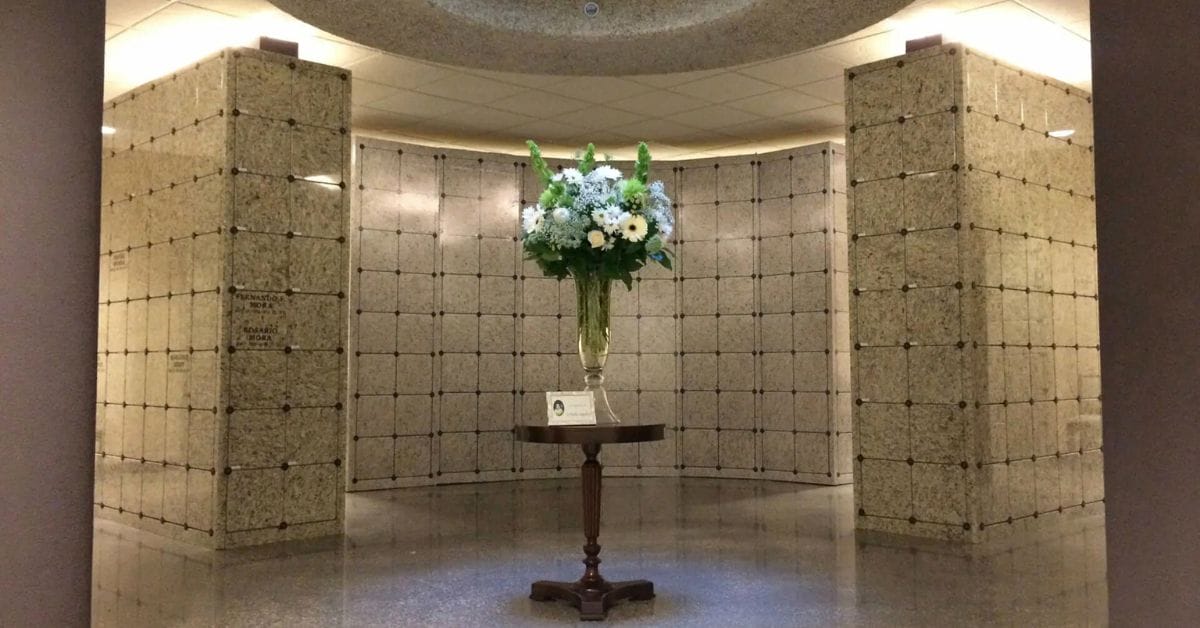
Families are changing how they honor loved ones, seeking practical, meaningful, and affordable options. The problem is that traditional cemeteries take up space, cost a lot, and require ongoing maintenance. There are many reasons columbaria are becoming more popular—they store cremated remains in compact niches, provide security, and offer a peaceful, personalized setting. Let’s get into why many families choose columbaria over traditional burial.
Space Efficiency
Traditional burial requires full-size plots that consume large swaths of land, especially in growing cities. Columbaria stack niches vertically within a compact footprint, freeing up space and creating a respectful and accessible memorial area. This approach allows cemeteries, churches, and municipalities to serve more families without acquiring new property.
Urban planners and faith communities appreciate the density that columbaria provide. Thoughtful layouts can integrate gardens and seating areas around structures, creating a sense of openness and calm rather than crowding. The combination of vertical storage and intentional landscaping supports both capacity and serenity.
Lower Cost
Families often find that a single columbarium niche costs far less than the combined expenses of a traditional burial, including a plot, vault, casket, and headstone. Cremation removes several of these major costs, while shared maintenance of the columbarium structure reduces ongoing fees. A niche provides families with a permanent, dignified place to honor a loved one.
Many facilities also offer a range of niche sizes, designs, and placement options, allowing families to choose what fits both their preferences and financial plan. These choices make it easier to create a personalized memorial without overspending, and they can accommodate couples or family members together. This provides grieving families with a practical, cost-conscious solution that still feels thoughtful and permanent.
Environmental Considerations
Columbaria reduce land use and eliminate the need for embalming fluids, making them a more environmentally conscious choice than traditional burial. Families who care about sustainability can take comfort knowing their loved ones’ memorials leave a smaller footprint while still providing a dignified, permanent place to visit. Likewise, facilities often combine these benefits with thoughtful landscaping, such as native plantings, shade trees, and water-efficient gardens.
Beyond eco-friendly materials and land-saving design, columbaria encourage long-term stewardship of cemetery grounds. Native plants and shaded areas support local wildlife while requiring minimal maintenance, and durable construction ensures the site remains attractive for decades.

Convenience and Accessibility
Many columbaria are located on church campuses, civic cemeteries, or urban cremation gardens, placing loved ones within easy reach of family and friends. Shorter travel distances make regular visits practical, and the layout of many sites encourages quiet, contemplative moments in serene surroundings.
Facilities often include features that make visits more comfortable and accessible, such as sheltered walkways, indoor seating, well-lit paths, and clear signage. These thoughtful touches help older relatives, people with mobility challenges, and anyone visiting in poor weather feel safe and welcome.
Maintenance-Free
Traditional gravesites often require regular mowing, edging, stone cleaning, and occasional repairs after storms or seasonal changes. Columbarium owners do not bear that burden, as facility staff handle structural upkeep, landscaping, and cleaning. Families can focus on remembrance instead of yard care.
Providers design modern columbaria with durable materials and smart drainage to keep the structure looking dignified year-round. Likewise, staff monitor the site and handle routine tasks, such as seasonal plantings or light maintenance. This approach offers peace of mind for families who live far away or prefer a worry-free arrangement.
Flexibility in Memorialization
Niches support personalized plaques, photo frames, small floral vases, and engraved inscriptions. Families can select materials and finishes that align with spiritual beliefs or their heritage. Many locations provide glass-front niches that display urns and mementos in a tasteful, organized way.
Some facilities also support digital elements, such as QR codes that link to tribute pages. Thoughtful personalization can also include these options:
- A brief biographical line that highlights a life’s calling in a single sentence
- A favorite verse, poem line, or family motto that reflects values
- A small photo or insignia that speaks to service, craft, or community
- A discreet QR code that leads to stories, images, and recorded memories
Space for Families
Another reason columbaria are becoming more popular is that they save space for families. Many columbarium niches come in sizes that hold two urns, keeping couples or relatives together. Common dimensions, such as 12 x 12 x 12 inches, accommodate two standard urns without crowding. Families often value that closeness, and it simplifies future planning.
Larger family units may choose adjacent or companion niches to keep generations close together. That arrangement supports shared visits and unified memorial traditions. Visitors often describe a sense of comfort when they gather in one place that holds a family’s story.
Security and Protection
Indoor columbaria shield urns from weather, theft, and accidental damage. Locked doors, monitored entry points, and routine staff checks ensure every niche stays secure. Families can visit knowing that urns and memorial items are consistently protected.
Moreover, outdoor columbaria use heavy-duty materials, tamper-resistant faceplates, and secure locks to safeguard contents. Facility staff regularly inspect the structure, maintain landscaping, and promptly address any wear or vandalism. This combination of design and oversight gives families confidence that memorials remain safe, well-kept, and dignified through every season.
Cultural Acceptance
Cremation is widely accepted across many faiths and cultures, with policies and customs that support respectful practices. Multicultural cities reflect this shift through the growth of cremation gardens and parish columbaria. Many religious organizations publish clear guidance that embraces cremation with reverence.
The Impact on Families
Families who once felt unsure now find comfort in familiar settings, such as church campuses. Conversations with clergy, funeral directors, and community leaders often highlight how columbaria preserve tradition while adapting to current needs. That bridge helps many households feel confident in their decision.
Modern and Aesthetic Options
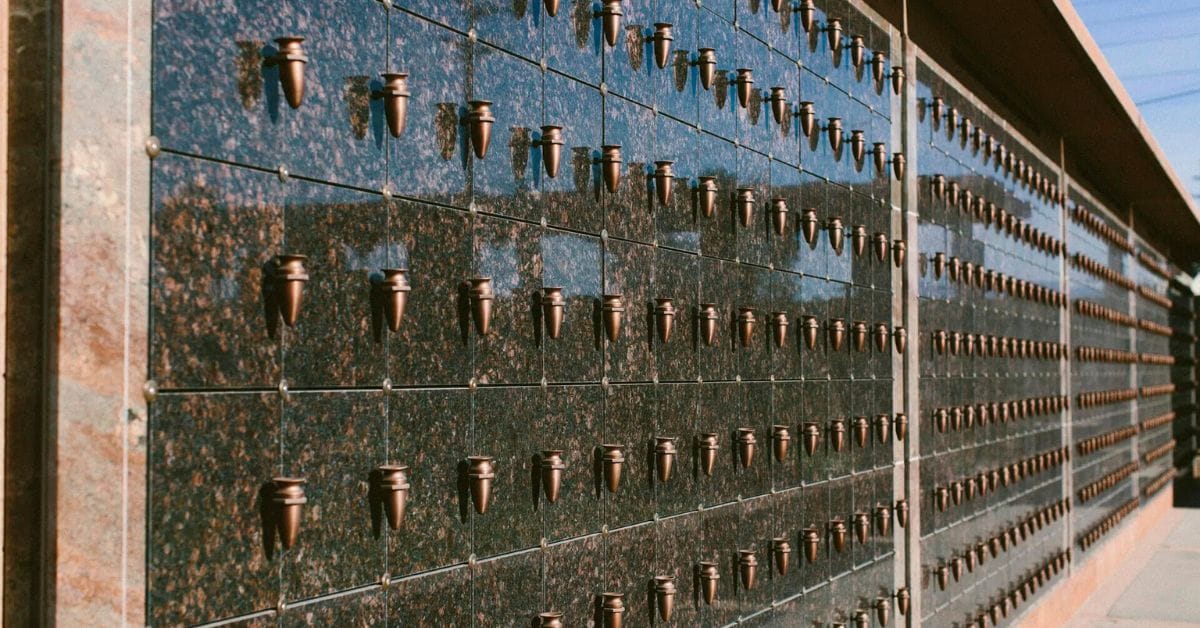
Contemporary columbaria integrate stone, metal, and glass to balance durability with beauty. Designers add courtyards, water features, and art that invite quiet moments. Those elements transform limited footprints into welcoming memorial spaces.
Communities planning new columbarium projects often partner with a trusted columbarium supplier to align architecture, landscaping, and long-term goals. Providers tailor shapes, finishes, and site plans to the setting, whether that is a hillside cemetery, a downtown church, or a campus garden. Thoughtful design elevates the experience for families and visitors.
Work With Reliable Suppliers
Transform your memorial spaces with KMI Columbaria’s custom-designed, durable niches. From glass-front columbaria to cremation gardens, KMI provides solutions that combine beauty, functionality, and lasting quality. Contact our team today to create a meaningful, secure, and personalized space for your community.
'%3e%3cg id='Final-Copy-2_2_' transform='translate(1275.000000, 200.000000)'%3e%3cpath class='st0' d='M7.4,12.8h6.8l3.1-11.6H7.4C4.2,1.2,1.6,3.8,1.6,7S4.2,12.8,7.4,12.8z'/%3e%3c/g%3e%3c/g%3e%3c/g%3e%3cg id='final---dec.11-2020'%3e%3cg id='_x30_208-our-toggle' transform='translate(-1275.000000, -200.000000)'%3e%3cg id='Final-Copy-2' transform='translate(1275.000000, 200.000000)'%3e%3cpath class='st1' d='M22.6,0H7.4c-3.9,0-7,3.1-7,7s3.1,7,7,7h15.2c3.9,0,7-3.1,7-7S26.4,0,22.6,0z M1.6,7c0-3.2,2.6-5.8,5.8-5.8 h9.9l-3.1,11.6H7.4C4.2,12.8,1.6,10.2,1.6,7z'/%3e%3cpath id='x' class='st2' d='M24.6,4c0.2,0.2,0.2,0.6,0,0.8l0,0L22.5,7l2.2,2.2c0.2,0.2,0.2,0.6,0,0.8c-0.2,0.2-0.6,0.2-0.8,0 l0,0l-2.2-2.2L19.5,10c-0.2,0.2-0.6,0.2-0.8,0c-0.2-0.2-0.2-0.6,0-0.8l0,0L20.8,7l-2.2-2.2c-0.2-0.2-0.2-0.6,0-0.8 c0.2-0.2,0.6-0.2,0.8,0l0,0l2.2,2.2L23.8,4C24,3.8,24.4,3.8,24.6,4z'/%3e%3cpath id='y' class='st3' d='M12.7,4.1c0.2,0.2,0.3,0.6,0.1,0.8l0,0L8.6,9.8C8.5,9.9,8.4,10,8.3,10c-0.2,0.1-0.5,0.1-0.7-0.1l0,0 L5.4,7.7c-0.2-0.2-0.2-0.6,0-0.8c0.2-0.2,0.6-0.2,0.8,0l0,0L8,8.6l3.8-4.5C12,3.9,12.4,3.9,12.7,4.1z'/%3e%3c/g%3e%3c/g%3e%3c/g%3e%3c/g%3e%3c/svg%3e) Your Privacy Choices
Your Privacy Choices